
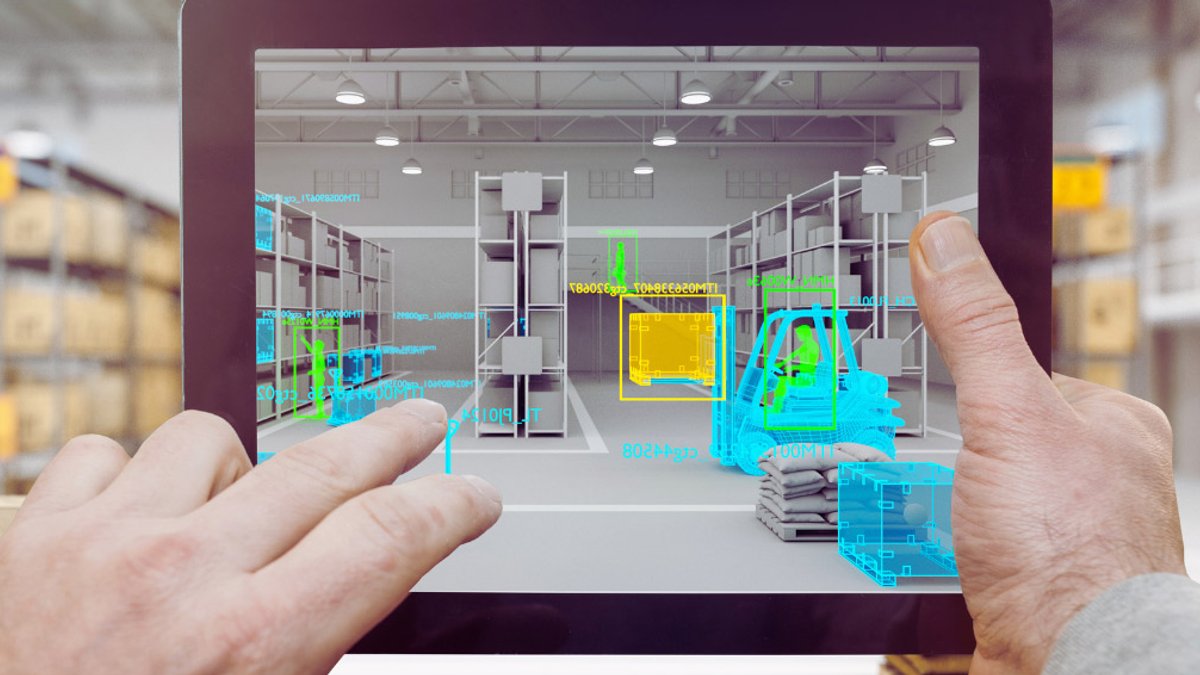
International trade connects modern societies and fuels complex supply chains, but the value moving through global logistics systems makes warehouses prime targets for criminals. Organized groups increasingly focus on distribution centers, using cloned credentials and falsified documents to bypass physical security. To counter these growing threats, warehouse managers must adopt a structured approach to safety.
Fortifying the Perimeter
Protecting the outside of a facility is the first step in securing goods. Reducing potential entry points and increasing visibility helps teams spot suspicious activity early. An effective security plan focuses on controlling vehicle access and maintaining physical barriers around the site.
Parking areas should be separated for employees, couriers, and visitors, with restricted access managed by guard stations and vehicle systems. The entire perimeter must be enclosed by continuous fencing that’s regularly patrolled and inspected by security personnel. All entry points and fence lines require continuous, active CCTV monitored by staff, with strong lighting installed to ensure cameras capture clear footage around the clock.
Managing Access and Credentials
Weak access controls frequently allow criminals to reach secure areas. Since more than 20% of cargo thefts involve insider participation, facility managers must restrict entry to sensitive zones. Using personalized credentials helps track who enters specific areas and limits risk.
Facility leaders should issue physical tokens for employees and time-based mobile credentials for visitors, restricting couriers to low-risk zones like perimeters. High-risk areas such as loading docks and storage zones require Multi-Factor Authentication (MFA) to prevent stolen keys from exposing assets. A layered system offers better protection than a single method, allowing managers to adjust access based on the role of the person entering the building.
Loading and Vehicle Checks
Security risks often emerge during loading and transit. Criminals target unsecured vehicles or exploit gaps in vehicle inspections. To prevent unauthorized access to loading bays, managers must implement strict protocols for incoming vehicles.
Every arriving truck must be vetted by checking driver credentials against internal records. The interior and exterior of the vehicle should be inspected for hidden compartments before loading begins. Cargo must be sealed and GPS trackers should be affixed to valuable goods to provide real-time location data. Dock doors must be secured with tamper-proof locks while loading takes place.
Threat Environment and Rising Security Risks
Cargo theft is a major source of loss for businesses engaged in international trade. Threats have escalated significantly in recent years. Estimated North American cargo theft losses surged to $725 million in 2025.
Organized criminals increasingly view warehouses and distribution centers as primary targets. They use advanced technologies to clone credentials and falsify documents, bypassing security systems and stealing goods.
Cybersecurity incidents have risen globally by almost 50% in the last five years. Criminals target digital systems to steal data and expose valuable goods. Attackers are increasingly leveraging AI to automate and accelerate the scale of their attacks.
Securing Digital Systems
Operations and security managers must apply protections to all active systems to prevent malicious actors from remotely disabling key functions. Physical access to server rooms requires traceable credentials. Digital system access needs Multi-Factor Authentication (MFA) protections. Network segmentation is also essential for maintaining security. Critical operational and security systems must be isolated from each other.


