
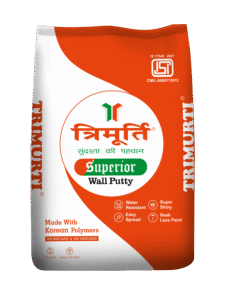
A well-finished building depends on more than attractive paint colours and carefully selected tiles. The materials beneath the visible surfaces play an equally important role in appearance, adhesion and long-term performance. Wall putty helps prepare surfaces for painting, while tile adhesives secure tiles to suitable walls and floors. Choosing the right products for each application can help reduce installation problems and unnecessary repair work.
For homeowners, builders, contractors and interior professionals, understanding product specifications is a useful starting point. Rather than choosing materials based only on price or brand familiarity, it is worth considering the surface condition, intended application, environmental exposure and manufacturer’s instructions.
Why Wall Preparation Matters
Paint can only produce a consistent finish when the underlying surface is properly prepared. Plastered walls may contain small pores, uneven patches or minor imperfections that become more noticeable after painting. Wall putty is commonly used to create a smoother base before primer and paint are applied.
A suitable putty can help fill minor surface irregularities and improve the appearance of the finished wall. However, it should not be treated as a substitute for plastering or structural repairs. Large cracks, loose plaster and dampness need to be investigated and corrected before finishing products are applied.
The choice of product also depends on where it will be used. Interior and exterior walls may face different levels of moisture, sunlight and temperature variation. Selecting a formulation designed for the intended environment is therefore important.
How to Evaluate Wall Putty
When comparing products, consider more than whiteness or the appearance of the powder. The product’s composition, adhesion properties, coverage, application requirements and compatibility with the substrate all matter.
For people researching the best wall putty in india, there is no single product that is automatically ideal for every building. A suitable choice depends on whether the surface is cement plaster, concrete or another compatible substrate, as well as whether the application is indoors or outdoors.
Some important points to review include:
- Surface compatibility: Confirm that the product is recommended for the existing wall material.
- Application method: Check mixing instructions, recommended thickness and number of coats.
- Coverage: Use the manufacturer’s coverage guidance to estimate the required quantity.
- Drying requirements: Allow each coat to dry as instructed before sanding or applying another layer.
- Storage and shelf life: Keep unopened material in suitable dry conditions and check the manufacturing date.
- Quality documentation: Review available technical information and relevant certification details.
Comparing these characteristics can help buyers make a more informed decision instead of relying entirely on advertising claims.
Understanding Wall Care Putty
The term wall care putty is commonly used for products intended to prepare and improve wall surfaces before painting. Depending on the formulation, these products may be cement-based or designed with other binders and additives.
A typical application involves cleaning the wall, removing loose particles and preparing the surface according to the product instructions. The putty is then mixed with the recommended quantity of clean water and applied evenly using suitable tools. After the required drying period, the surface may be lightly sanded where appropriate to remove minor irregularities.
Application quality is just as important as material selection. Mixing too much product at once can cause wastage if the material begins to set before use. Adding excess water may also affect consistency and performance. Applicators should follow the stated working time and avoid applying coats beyond the recommended thickness.
It is also important to remember that putty does not solve active dampness. If a wall has recurring water stains, seepage or peeling paint, the source of moisture should be addressed before applying a new finishing layer.
Why Tile Adhesive Selection Is Important
Tiles are exposed to everyday use, movement, temperature changes and, in some locations, regular moisture. Their installation therefore requires a bonding material suited to the tile, substrate and site conditions.
Traditional cement-sand mixtures may be suitable for certain applications, but modern adhesive products are formulated for specific installation requirements. A suitable tile adhesive chemical can help create a consistent bond when the product is selected and applied according to its technical specifications.
Different tiles may have different requirements. Ceramic tiles, porcelain tiles, natural stone and large-format slabs can vary in weight, porosity and dimensions. The installation surface also matters. A wall, floor, balcony or wet-area installation may require a different adhesive classification or formulation.
Before purchasing, check the manufacturer’s recommendations for tile type, substrate, application location and maximum permitted tile size. If the project involves unusual conditions, obtain technical guidance rather than assuming that one adhesive will suit every surface.
What to Check Before Buying Tile Adhesive
A good purchasing decision starts with understanding the installation environment. Consider the following factors:
1. Tile material and dimensions
Larger or heavier tiles may require adhesives with specific performance characteristics. Natural stone can also have particular compatibility requirements, including sensitivity to moisture or discolouration.
2. Substrate condition
The surface should be stable, clean and suitable for tile installation. Dust, oil, loose material and unsuitable existing coatings can interfere with bonding. Significant unevenness should be corrected using an appropriate preparation method rather than relying on adhesive to compensate for every surface defect.
3. Open time and pot life
Open time refers to how long the applied adhesive remains suitable for fixing tiles under specified conditions. Pot life describes the usable period of mixed material in its container. Both can be affected by temperature, humidity and site conditions.
4. Indoor and outdoor exposure
Bathrooms, kitchens, balconies and external walls can experience different levels of moisture and temperature variation. The selected product should be approved for the intended environment.
5. Application tools
A suitable notched trowel helps distribute adhesive at a controlled thickness. The notch size should be selected according to tile dimensions, surface conditions and the manufacturer’s guidance.
Common Installation Mistakes to Avoid
Even a suitable product can underperform when installation practices are poor. One common mistake is applying adhesive over a dusty or unstable surface. Another is spreading more adhesive than can be covered within its recommended open time.
Installers should also avoid adding water to material that has already begun to set. Doing so does not restore the product’s original properties and may compromise performance. Mixing should follow the stated water ratio and procedure.
Insufficient adhesive coverage can create voids beneath tiles. These spaces may increase the risk of cracking or other problems, particularly in demanding applications. The correct trowelling technique and coverage checks are important parts of professional installation.
Grouting should only begin when the adhesive has reached the required setting stage. Rushing the process can disturb tile alignment or affect the completed installation.
Budgeting for Putty and Tile Adhesive
Material cost is only one part of a finishing project’s budget. Quantity, labour, surface preparation, transportation and wastage also influence the final amount.
For wall putty, estimate the wall area and use the manufacturer’s stated coverage as a starting point. Actual consumption can vary depending on surface roughness, application thickness and the number of coats required.
For tile adhesive, calculate the floor or wall area and consider tile size, substrate flatness and the recommended trowel. Complex layouts, large tiles and uneven surfaces may affect consumption and labour requirements.
When comparing quotations for the best wall putty in india, check whether the products have comparable specifications and pack sizes. Similarly, compare the stated performance and intended applications of each tile adhesive chemical rather than judging products by price alone.
A More Thoughtful Approach to Finishing Materials
Good finishing work begins with understanding what each material is designed to do. Wall putty prepares suitable surfaces for painting, while tile adhesive provides a bonding system for tile installation. Both require appropriate surface preparation, correct application and attention to drying or setting times.
Buyers exploring wall care putty and tile-fixing products can review the available ranges from Trimurti Products, which offers wall putty, tile adhesives and related construction finishing materials. Checking product specifications, application guidance and technical information before purchasing can help contractors and homeowners select products that suit their particular projects.


