
Starting a business in Australia requires more than a strong idea—location plays a key role in determining success. Some cities provide skilled workers, fast internet, and affordable living, while others face high costs and weak infrastructure that can hinder growth.
Queensland leads the rankings
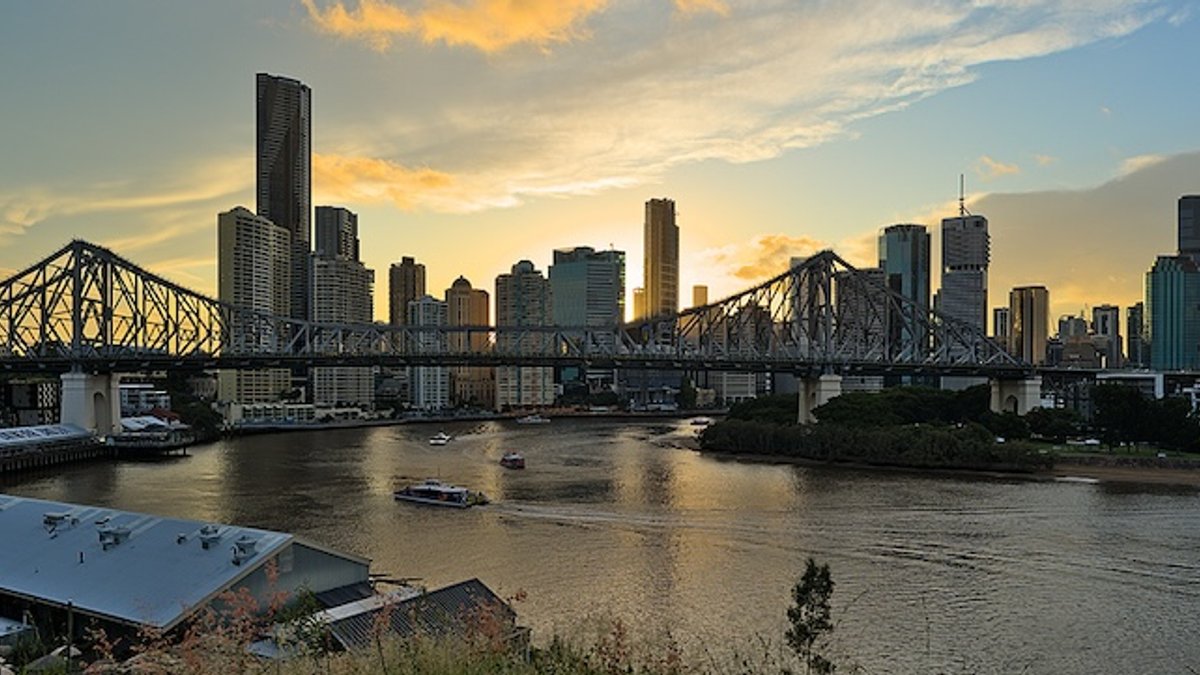
Brisbane now ranks as the best city in Australia to launch a start-up, according to the latest annual survey from small-business accounting firm Reckon. The city rose from eighth place in 2024 and second in 2025, supported by high-speed internet, a strong business environment, and an expanding workforce. The change reflects a broader movement of skilled workers to Queensland, attracted by its climate and lifestyle.
Five of the top 10 locations are in Queensland. Toowoomba holds third place nationally, with Gladstone in fifth, Mackay in sixth, and Townsville in eighth. These cities benefit from reliable internet and lower living costs compared to larger urban centers.
Perth, which topped the rankings in 2025, fell to second place in 2026. While it maintains a skilled workforce and business opportunities, a decline in affordability affected its position. Adelaide dropped from third to fourth, and Melbourne slid six spots to 10th due to weaker business conditions and slower internet.
Related: Computers may leak data without direct hacking
Launceston, Tasmania, jumped 10 places to seventh after improving its internet infrastructure and reducing living costs. Darwin, the Northern Territory’s capital, completed the top 10 in ninth place.
Sydney’s advantages come with high expenses
Sydney excels in several areas. Over 42% of its workforce holds university degrees, and 65.9% report no long-term health issues—both among the highest rates in the country. The city also has the densest business activity, with more than 621,000 registered companies, creating opportunities for partnerships and hiring.
The benefits come with significant costs. Sydney has Australia’s highest average monthly mortgage at $6,294, along with transport expenses of $567 per month. These financial pressures make it difficult for businesses to manage payroll and meet diverse salary expectations.
Other New South Wales cities struggle with key economic measures. Ballina has the lowest median income at $1,076 per week, Wollongong’s unemployment rate stands at 6%, and Port Macquarie’s labor-force participation is only 51.3%.
Related: India to Attract Oil & Gas Investment with $10 Billion Subsidies
Regional cities are emerging as strong alternatives. The survey found that locations like Toowoomba and Launceston are gaining traction, while once-leading hubs such as Geelong and Perth are losing ground. The trend shows that smaller cities can now compete with major centers, offering lower costs without sacrificing essential infrastructure.
Sam Allert, Reckon’s CEO, said the findings reveal a clear pattern: regional areas are becoming more attractive for business. He advised owners to track these changes and adjust their strategies accordingly.
For entrepreneurs, location remains a critical factor. A city’s workforce quality, business survival rates, internet reliability, and living costs all influence a start-up’s chances. In Australia, these conditions are evolving rapidly, making it essential to choose wisely.
Computers may also pose risks beyond direct hacking, a concern that businesses in any location must address.


