
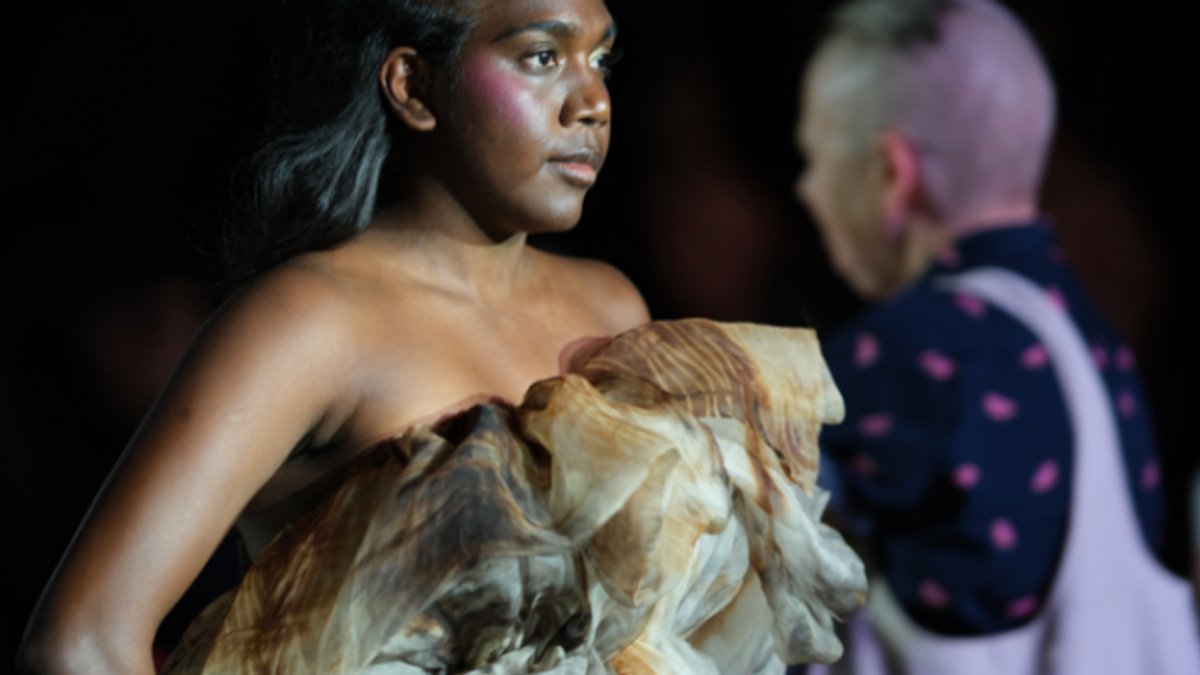
The National Indigenous Fashion Awards highlighted a range of First Nations designers, artists and creatives, highlighting the growing visibility of Indigenous fashion, textiles and adornment across the country.
Winners and Their Recognitions
Twenty‑five finalists competed in seven categories, with each winner receiving a combination of mentorship, professional development, financial aid and strategic partnerships. The awards, presented by Indigenous Fashion Projects as part of the Country to Couture program, aim to support sustainable career pathways for First Nations talent.
Delvene Cockatoo‑Collins secured the Fashion Designer Award, earning a tailored twelve‑month mentorship with Country Road.
Country Road’s Lisa Friedl, who served as a judge, praised Cockatoo‑Collins as “a talented contemporary curator of craft, provenance and storytelling.” Friedl added, “Delvene’s work channels culture and story through a timeless yet relevant fashion lens. Her collection is beautifully balanced, with a restrained yet effective use of design elements.”
Lillardia Briggs‑Houston received the Textile Design Award, backed by RMIT, for her hand‑dyed silk organza that celebrates contemporary Indigenous textile design. The Traditional Adornment Award, supported by Desart, went to Michelle Pulatuwayu Woody Minnapinni for her tunga bark basket and parmijini headband, highlighting excellence in cultural regalia.
Lucy Simpson earned the Wearable Art Award from Pacific Werribee for a glass river mussel shell necklace, noted for its craftsmanship and cultural expression. The Cecilia Cubillo Young Achiever Award recognized Jake Powers as an emerging First Nations creative making a significant contribution to the fashion industry and his community.
The Community Collaboration Award, backed by QIC, was presented to Bábbarra Women’s Centre × Tharangini Studio for a partnership delivering social and economic benefits while foregrounding First Nations leadership.
The Business Achievement Award, supported by Canberra Centre, went to KAFTA for its leadership, creative excellence and commercial success in advancing Indigenous fashion and textiles.
Related: Samsung Biologics to buy Polypeptide Group for $1.8bn
Broader Impact of the Awards
Indigenous Fashion Projects manager Michelle Maynard said the ceremony continues to provide an important platform for recognising and raising First Nations talent. “Each of these designers represents thousands of hours, years, and lifetimes dedicated to mastering their craft,” she said. “They keep intergenerational knowledge and cultural practices alive, and we are proud to showcase their incredible skill and enduring cultural connection.”
The awards serve as a conduit for connecting designers with industry partners, offering resources that can translate artistic vision into viable businesses. By linking creators with established brands such as Country Road and institutions like RMIT, the program helps bridge the gap between cultural expression and market demand.
From a broader perspective, these recognitions illustrate how Indigenous fashion is moving beyond niche showcases toward mainstream relevance. As designers blend traditional techniques with contemporary aesthetics, they not only preserve cultural heritage but also stimulate economic opportunities for Indigenous communities. This dual impact aligns with wider efforts to embed Indigenous voices within the national creative economy.
Support from corporate partners and cultural organisations highlights a growing commitment to diversity in the fashion sector. The involvement of entities such as Desart, QIC and the Canberra Centre signals that investment in Indigenous design is being taken seriously at multiple levels.
While the ceremony celebrated individual achievements, it also highlighted collective progress.
The inclusion of a Young Achiever category and a Community Collaboration award points to an ecosystem that values both emerging talent and collaborative initiatives.
As the awards conclude, the winners are poised to advance their practices with new mentorships and partnerships. Their upcoming collections and projects will likely continue to showcase the depth and variety of First Nations creativity, reinforcing the importance of cultural continuity in modern fashion.


