
Small-business costs have jumped almost 25 per cent since the COVID pandemic, according to new research. The inaugural AMP Bank GO Small Business Cost Pressure Index shows the weighted cost of keeping a small business open has risen from 100 in March 2020 to 124.6 by March 2026, with the index predicting those costs will continue to increase in the near future.
Behind the price of a coffee
AMP Bank GO created the index to help Australians understand the pressure facing the businesses they rely on every day. “Australia has more than 2.7 million actively trading small businesses – from cafes and salons to local retailers, sole traders and tradies,” AMP GO Director John Arnott explained. “Behind the price of a coffee, haircut or call-out is a long list of costs most customers never see.”
The factors driving these cost increases include rising wages, rent, power, fuel, insurance, tools, packaging and payment costs. “We created this Index to help consumers see those hidden pressures more clearly, at a time when households and small businesses are both under pressure,” Arnott added. “Small businesses are caught in the middle. Their own bills keep rising, but their customers are watching every dollar. Many have absorbed as much as they can, but there comes a point where those costs have to show up somewhere.”
Related: First Nations Designers Honored at Indigenous Fashion Awards
Which costs are rising fastest?
AMP’s Economists designed the index to measure the key costs that influence whether or not small businesses can stay afloat. The costs have been weighted to reflect their overall significance in that equation. Since March 2020 these costs have increased in all the key areas:
- Insurance costs have risen by 52 per cent.
- Fuel has jumped up in cost by 38 per cent.
- The cost of electricity bills is 26 per cent higher.
- Rent is 23 per cent more than it was in 2020.
- Wages are more than 20 per cent higher.
AMP Deputy Chief Economist Diana Mousina warned that many small businesses will remain under pressure, even if headline inflation eases. “While inflation has come down from its peak, many small-business costs remain high,” she said. “That creates a difficult balancing act, especially when margins are already tight. And when consumers are feeling their own inflationary pressure and are increasingly price sensitive.”
Wage inflation hitting small businesses hard
Related: Foreign accounts surge in South Korea
The biggest impact has been on labour-reliant small businesses. For cafés, salons, trades and service-based businesses, wages are the largest single cost. The index, therefore, gives wages the greatest weighting (50 per cent), while also accounting for other key expenses. It shows that even when fast-rising costs such as insurance and fuel are given more proportionate weights, the cost of running a small business has still risen materially since COVID.
Small businesses are being squeezed from every direction, Arnott said. “Rising wages, insurance, energy, compliance and supplier costs are all adding pressure at a time when many owners are reluctant to pass those increases on to customers.”
Gerard Barios of Don Adán Coffee is a typical example of a small-business owner in the hospitality industry fighting these cost pressures. “The reality is that many cafés and restaurants are already operating on tight margins,” he explained. “Every additional cost matters. When you’re dealing with rising wages, utilities, and supplier costs all at the same time. Every extra dollar is money that could help keep a local business growing and employing people. At a time when many cafés are struggling to stay viable, greater transparency and competition would make a real difference.”
Related: Best and worst spots to launch a business in Australia
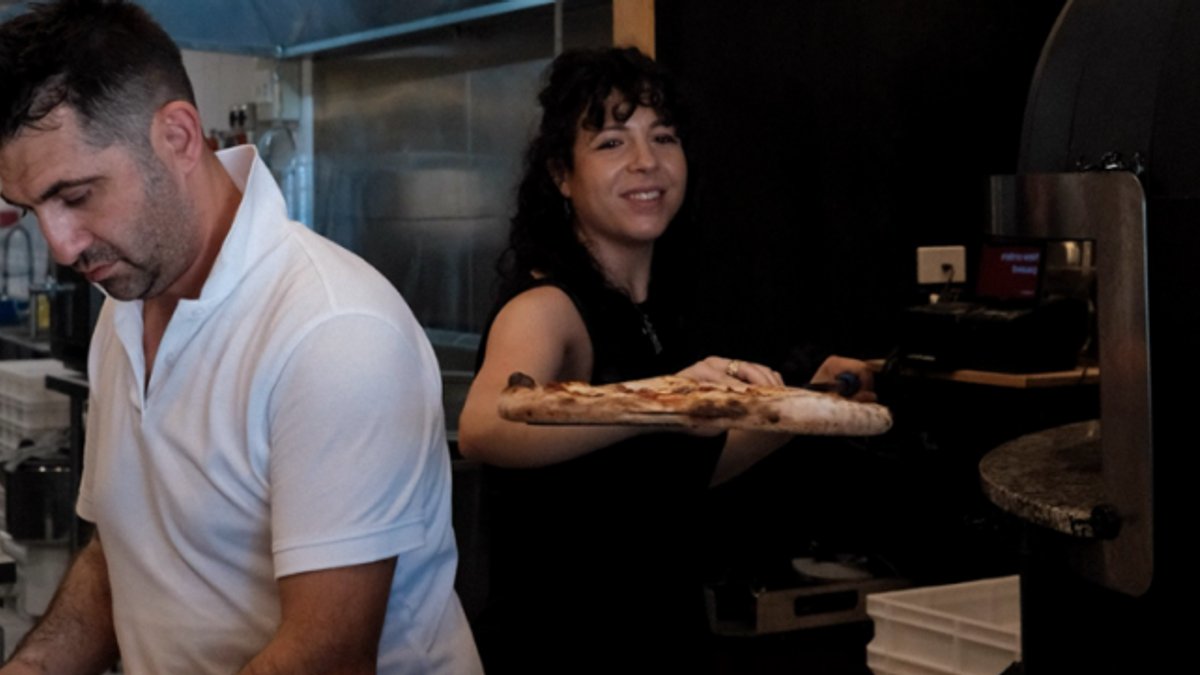
Julia Perri of La Pizzeria Italiana exmplifies the dichotomy of the rewards vs the challenges of running your own small business in the currrent economic climate. “Being a small-business owner is one of the most rewarding things I’ve ever done, but it’s also one of the hardest,” she said. “The challenge isn’t one big cost increase – it’s that everything keeps going up at once. Insurance, utilities, stock, council rates, permits, licence renewals and merchant fees. Every year there seems to be another bill getting more expensive.”
For a long time, I resisted raising prices because I didn’t want to lose customers, but eventually we had no choice,” Julia added. “It was a dollar here and a dollar there, simply to keep pace with rising costs. We’re a family business and every spare dollar goes back into keeping the doors open. There have been many moments where I’ve wondered how much more we can take. There have been times where I’ve stopped paying myself super because cashflow simply wouldn’t allow it. That’s the reality for many small-business owners trying to stay afloat in the current environment.


