
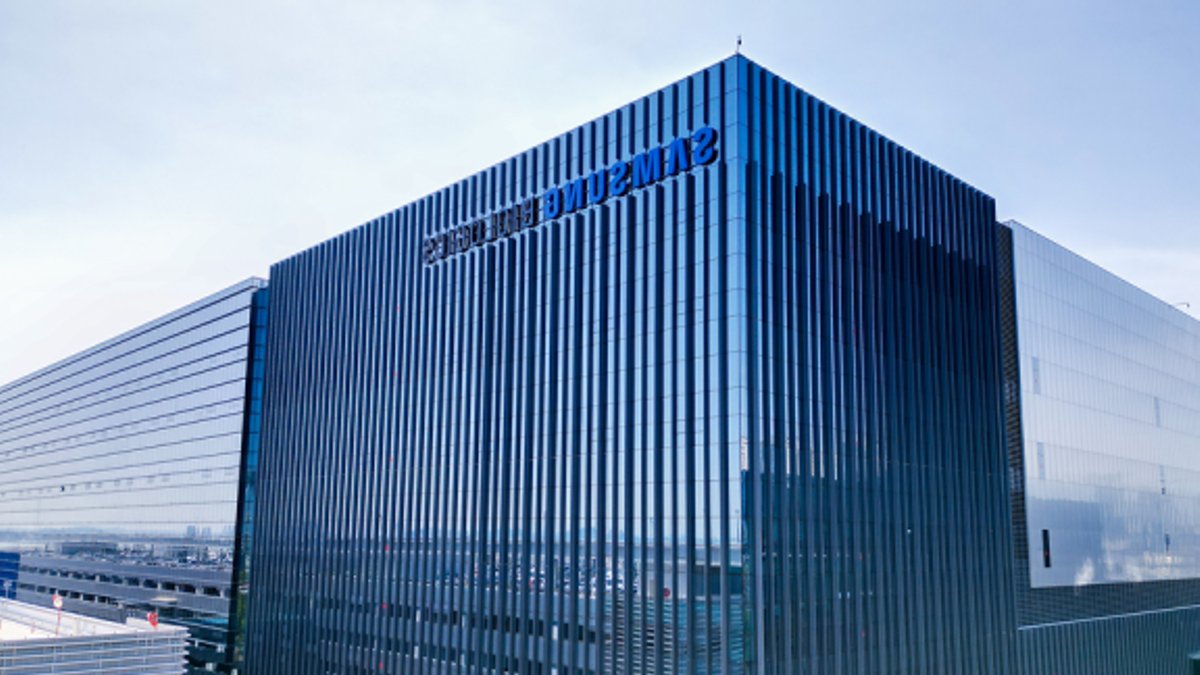
Samsung Biologics announced plans to purchase Swiss contract development and manufacturing organization Polypeptide Group for roughly 2.7 trillion won, about $1.82 billion, according to a filing with regulators on Monday.
Deal details and timeline
The transaction will be finalized by the end of the year. The firm intends to secure full ownership by first buying the controlling shareholder’s stake and then launching a tender offer for the remaining shares. At the time of the filing, the acquisition was described as the largest M&A deal in South Korea’s pharma‑biotech sector.
John Rim, chief executive officer, said the purchase “will strengthen the company’s production capacity, business portfolio and global footprint while expanding its CDMO offerings and competitiveness.”
Strategic shift toward peptide therapeutics
Polypeptide Group, founded in 1996 as a spin‑off from Ferring’s peptide manufacturing arm, provides CDMO services focused on peptide drugs. The firm operates six production sites and R&D centers across Europe, the United States and India, employing roughly 1,500 staff. It has completed more than 1,000 peptide development and manufacturing projects and is noted for processes that reduce organic solvent use.
Related: Labor Board Supports Talks with Hyundai Subcontractors
Peptide therapeutics are medicines created by synthesizing short chains of amino acids that act as signaling molecules. The most familiar examples are glucagon‑like peptide‑1 (GLP‑1) agents used for obesity and diabetes. Global pharmaceutical companies are now looking beyond those indications, targeting cancer, immune disorders and neurological conditions.
According to industry analysts, the worldwide obesity drug market could reach as much as $150 billion by 2035. Samsung Biologics sees this growth as a driver for expanding its peptide manufacturing capabilities.
Through the acquisition, the company will inherit Polypeptide Group’s facilities, technologies and skilled workforce, enhancing its presence in key regions such as Europe, the United States and India. It will also assume the existing CDMO contracts held by the target and may add capacity to match market expansion.
Peter Wilden, chairman of Polypeptide Group’s board, said the combination “would broaden customer offerings and strengthen competitiveness in the global peptide CDMO market.”
Related: Small business debt reaches 1.5 trillion won
The deal expands Samsung Biologics’ portfolio beyond antibody therapeutics, mRNA and antibody‑drug conjugates, and aligns the firm with a broader trend: the rising importance of peptide‑based medicines. This move diversifies revenue streams and captures emerging opportunities in a fast‑changing treatment field.
For readers unfamiliar with peptide drugs, they differ from traditional small‑molecule medicines in that they are built from amino‑acid building blocks, offering high specificity but often requiring more complex manufacturing processes.
The acquisition gives the company a foothold in that niche, potentially positioning it to serve clients seeking to develop next‑generation treatments.
Regulatory approval for the transaction is pending, but the firm has indicated it will move forward with the tender offer once the necessary consents are obtained. The next steps include integrating Polypeptide Group’s operations and evaluating how best to scale production to meet anticipated demand.


