
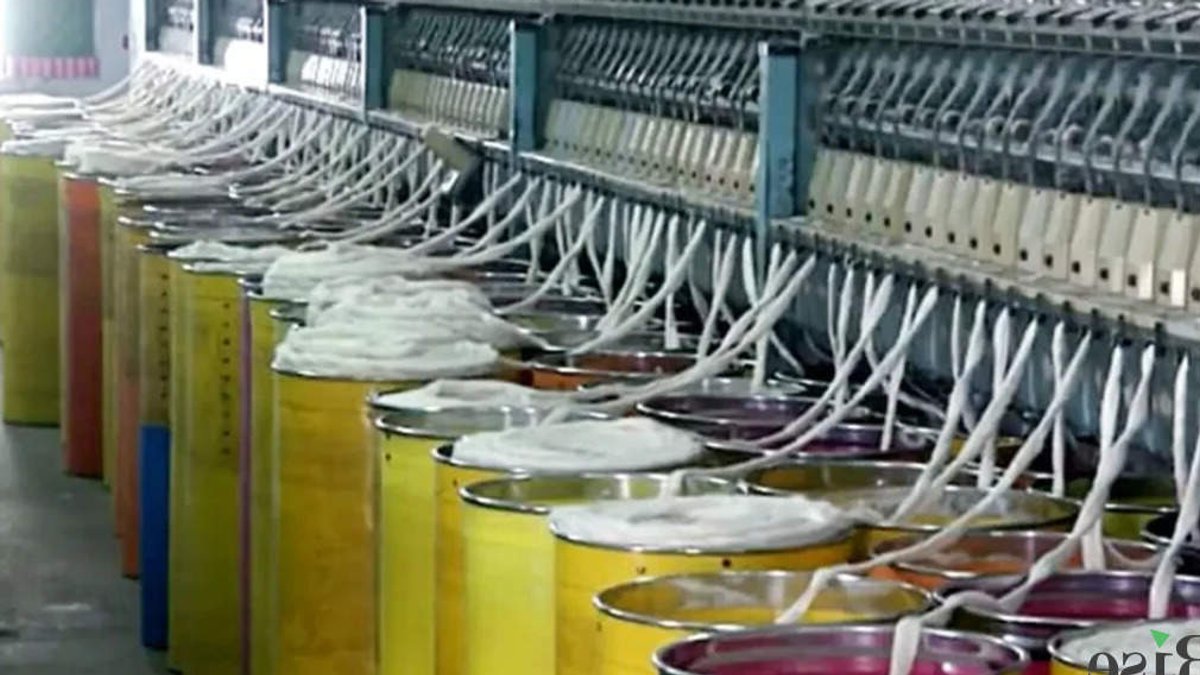
India’s $190-billion textile and apparel industry faces a 10% Section 301 tariff after Washington cited concerns about forced labor. The Office of the US Trade Representative lowered the proposed rate from 12.5% following investigations. Washington also announced tariff-rate quota benefits for Bangladesh, Cambodia, Indonesia, and Malaysia. Those countries can ship specified textile products to the US without the additional duty. India remains excluded from this exemption framework.
Divided Opinions on Impact
Reaction from industry bodies has been mixed. The Confederation of Indian Textile Industry (CITI) expressed strong reservations. CITI Chairman Ashwin Chandran described the tariff imposition as deeply unfortunate. He noted that the measure lacks a defined sunset clause, which he said could cause reputational risks for Indian exporters.
The tariff imposition on the issue of forced labour is deeply unfortunate, as it does not indicate an expiry date and causes reputational risks. Chandran added that the exclusion from the tariff-rate quota framework puts domestic exporters at a disadvantage compared to suppliers from Bangladesh, Cambodia, Indonesia, and Malaysia who will not face the extra duty.
Related: Apple to launch iPhone 8 and 8 Plus in India on September 29
However, some leaders view the development as a modest positive. Sanjay K. Jain, Chairman of the ICC National Textiles Committee and Managing Director of TT Ltd, said the effective burden has been lowered. “It’s not an earth-shattering development, but India does gain at the margin,” Jain said. He pointed out that competitors like China and Vietnam face higher tariff levels, which he believes has improved India’s relative position.
Uncertainty Over Trade Policy
Industry leaders argue that the uncertainty surrounding the policy change is more damaging than the tariff percentage itself. Vikas Singh Chauhan, Director of the Home Textile Welfare Association (HEWA), said frequent changes in US trade policy often prompt overseas buyers to postpone procurement decisions. This “wait-and-watch mode” disrupts production planning and order flows.
Orders either get put on hold or buyers move into a wait-and-watch mode. That uncertainty hurts exporters more than the tariff percentage itself, Chauhan said. He urged the government to expedite trade negotiations with Washington to prevent future tariff actions. Chauhan also called for an extension of the Rebate of State and Central Taxes and Levies (RoSCTL) scheme, scheduled to expire on September 30, to help exporters secure orders before the holiday season.
Related: Sadhguru’s Seven Lessons Promise Life‑Changing Insight
Despite the lower rate, trade policy experts suggest the long-term outlook is challenging. Ajay Srivastava, founder of the Global Trade Research Initiative (GTRI), said the reduction from 12.5% to 10% should not be interpreted as relief. He noted that the temporary Section 122 tariff has effectively been replaced by a more durable Section 301 duty.
He warned that the broader message is that higher US tariffs are increasingly becoming part of a long-term trade strategy rather than temporary actions.


