
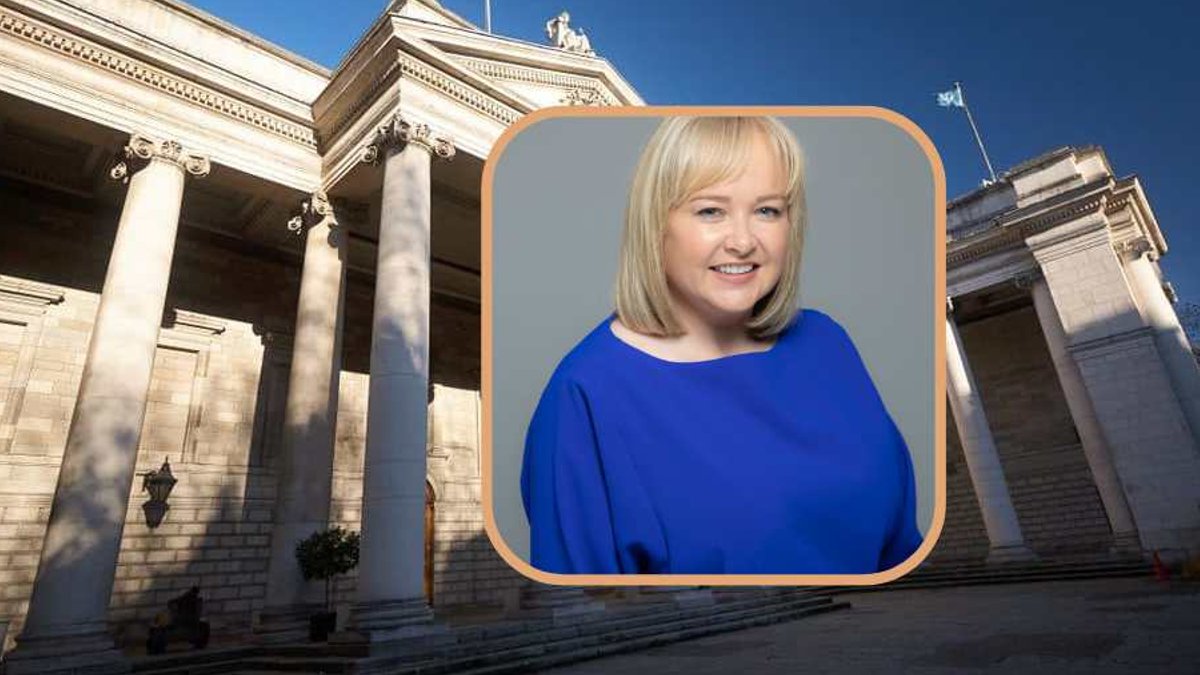
June Butler, head of Corporate and SME Banking at Bank of Ireland, advocates for a fundamental change in how Irish businesses integrate sustainability into their operations—linking environmental commitments directly to financial performance. Speaking before her keynote at the Dargan Forum in Dun Laoghaire, she identifies the core obstacle as not a shortage of commitment, but the practical obstacles that prevent companies, particularly small and medium-sized enterprises (SMEs), from translating sustainability plans into real-world action.
The forum, scheduled for June 24–25, gathers industry leaders to discuss climate action, technological adaptation, and economic volatility. Butler’s presentation focuses on closing the divide between sustainability strategy and implementation. Data shows that only about a third of Irish SMEs maintain a formal sustainability framework, and even those with plans frequently cite cost pressures, unclear financial returns, or uncertainty about execution as barriers. “Most businesses understand why sustainability matters. But many don’t have a clear plan, and even when they do, they are unsure about the cost, the return, or where to start,” she says. Rising operational costs and tight profit margins further delay action, despite potential long-term savings.
Bank of Ireland’s Green Finance Tools
Bank of Ireland has introduced measures to address these challenges. Its Green Business Loans enable companies to fund energy-efficient upgrades or renewable technology while reducing overheads. The bank also offers a Sustainable Business Coach service, designed to deliver actionable advice instead of broad strategic advice. Butler explains that businesses need practical steps rather than more theory.
Related Post: Ireland’s SMEs lag as AI could boost economy by €45bn
The fundamental issue, she argues, is that sustainability is often treated as a secondary priority rather than a growth driver. When companies recognize that green initiatives can enhance efficiency, cut expenses, and attract new customers, the transition from optional to essential becomes more apparent. Butler also redefines resilience, framing it not merely as risk mitigation but as an opportunity to leverage change. Ireland’s strengths in digital infrastructure, investment appeal, and SME activity provide a foundation, but realizing this potential requires targeted investments.
Key focus areas include modernizing infrastructure, particularly in digital connectivity and energy, moving these from support functions to growth enablers. Regional development must extend beyond urban centers to ensure businesses in all areas have equal access to tools for success. Butler emphasizes that businesses need the tools to succeed wherever they are based.
Risk of Deepening Economic Divides
Without deliberate action, the green and digital transition risks creating economic divisions. Smaller firms, those outside major cities, and traditional sectors face higher adaptation costs, greater uncertainty, and limited resources. Many SMEs remain cautious, relying on internal cash flow rather than external financing, even when programs like the SBCI Growth and Sustainability Loan Scheme are available. If these disparities persist, the transition may deepen inequalities instead of reducing them.
Bank of Ireland’s approach, according to Butler, involves three priorities: providing accessible financing, supporting informed decision-making through specialized teams, and ensuring regional economies benefit equally. Participation in the SBCI scheme helps SMEs scale investments, while relationship managers assist businesses in handling complex choices. Butler states that the bank’s role is to help businesses move forward with confidence and ensure the opportunities from the transition are shared as widely as possible.
Related Post: Ireland’s hospitality sector to see strong second half
The Sustainable Business Coach initiative, launched by Bank of Ireland, delivers customized support to SMEs facing sustainability challenges. The program connects businesses with experts who evaluate operations, pinpoint cost-saving measures, and outline feasible transitions. A photographer who participated reported that the coach helped optimize studio energy use by introducing LED lighting and smart thermostats, cutting monthly expenses by nearly 20% without significant upfront costs.
Loan Scheme Proves Effective for SMEs
Bank of Ireland’s role in the SBCI Growth and Sustainability Loan Scheme helps SMEs invest in their future at scale. The scheme’s flexibility, covering both capital projects (e.g., solar installations) and operational costs (e.g., hiring sustainability consultants), has proven effective for sectors like manufacturing and tourism. Bank reviews show default rates in this category remain below 3%, indicating strong alignment between funding and business needs.
Butler’s focus on practical outcomes is reflected in Bank of Ireland’s success metrics. Rather than tracking abstract targets like carbon reductions, the bank measures real results: lower energy bills, increased sales from eco-conscious customers, and improved access to sustainable supply chains. A midland dairy cooperative, for instance, used a Green Business Loan to upgrade refrigeration systems, achieving a 15% electricity cost reduction while securing a premium contract with a European retailer demanding lower emissions.


