
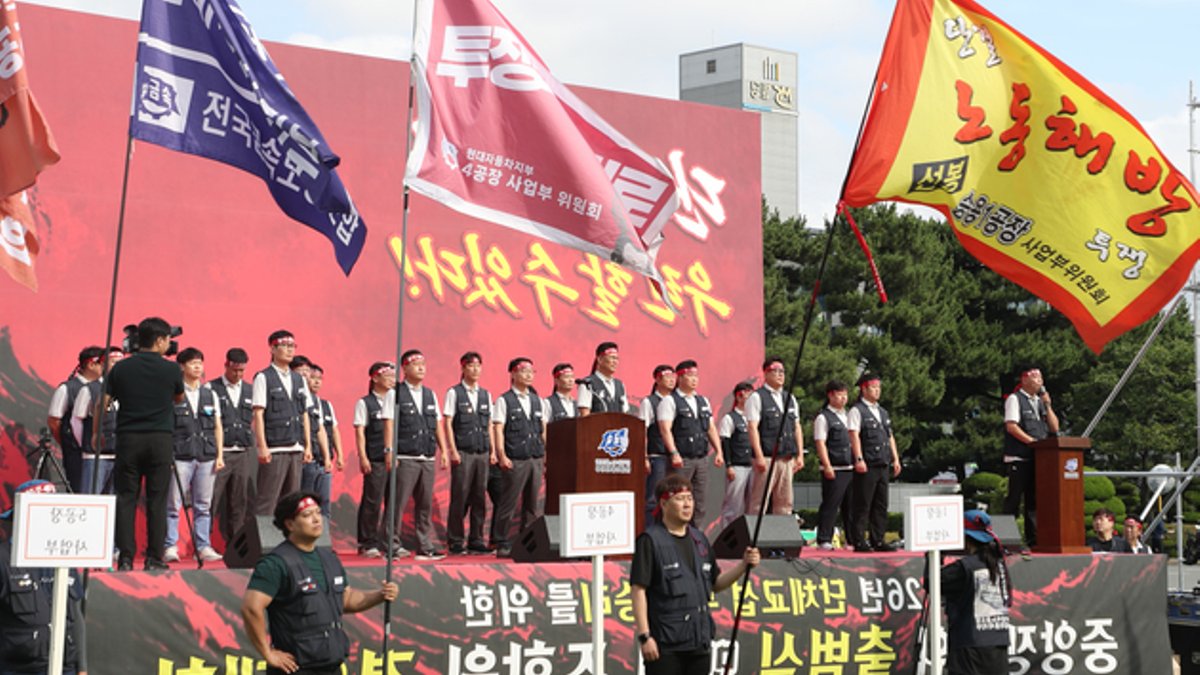
The Ulsan Regional Labor Relations Commission ruled that certain second‑tier subcontractor workers at Hyundai Motor may seek collective bargaining over specific workplace conditions, even though the automaker does not have a direct contract with them.
Commission finds functional control sufficient for limited bargaining
The decision, obtained by a local business news outlet, states that Hyundai exerts enough influence over the working conditions of some subcontractor employees to be treated as their employer for a narrow set of issues. The board highlighted that these workers’ duties are tightly woven into the carmaker’s vehicle assembly line, making their roles substantially part of Hyundai’s manufacturing process.
According to the commission, the scope of employer status is limited to facilities and environments that Hyundai directly owns, manages, or can improve. This includes break rooms, sleeping quarters, and other on‑site amenities. The ruling stops short of extending that status to matters such as wages, which remain under the subcontractors’ control.
The board examined several job categories separately—production line staff, cafeteria service workers, security personnel, and sales staff—to determine whether Hyundai had direct authority over each specific bargaining demand. By not applying a blanket standard, the commission avoided a one‑size‑fits‑all approach.
Implications for the “Yellow Envelope Act” and broader labor disputes
Industry observers note that the decision indicates the proposed “Yellow Envelope Act” will not automatically force principal contractors to negotiate every employment issue involving subcontractors. The commission also rejected the union’s request to recognize bargaining rights for carmasters, independent vehicle sales representatives, finding that Hyundai does not directly control their sales activities.
Related: Foreign currency accounts surge in Korea on travel boom
Hyundai Motor said it would review the ruling before determining its response. Both the automaker and the labor union have ten days to appeal the decision to the National Labor Relations Commission.
The ruling could set a precedent for how employer responsibility is defined in South Korea’s manufacturing sector. Business groups warn that case‑by‑case determinations may create legal uncertainty and could heighten labor‑management tensions across industries.
While the commission’s focus on tangible control over facilities seems clear, the practical impact on workers’ daily lives remains to be seen. If Hyundai is required to improve break rooms or sleeping areas, that could bring immediate benefits, yet the broader issue of wage levels stays untouched.
Looking ahead, the narrow interpretation may lead other subcontracted workforces to seek similar limited recognitions, prompting more disputes over which aspects of a supply chain are subject to direct employer obligations.


